Cognitive Behavioral Therapy
 Cognitive-Behavioral Therapy (CBT)
This approach is particularly helpful if you have anxiety. Do you…
find yourself constantly thinking… replaying conversations, worrying about what might happen, or analyzing every possible outcome?
Do your thoughts feel nonstop—jumping from the past to the future without giving you a moment of peace?
Are you experiencing physical symptoms like a racing heart, shortness of breath, or that constant sense that something bad might happen?
For many people anxiety and overthinking can feel exhausting…
It may seem like your mind won’t slow down, no matter how hard you try. You might second-guess yourself, assume the worst, or avoid situations that feel overwhelming.
Over time, these patterns can start to impact your daily life. You may avoid certain situations, withdraw from opportunities, or feel stuck in cycles of fear and self-doubt. Even when you logically know things are “fine,” your thoughts and body may tell a different story.
This can leave you feeling frustrated, drained, and unsure how to break the cycle.
The good news is that these patterns are not permanent. With the right tools and structure, you can learn how to shift your thinking, reduce anxiety, and feel more in control of your mind and your life.
Have any questions? Send us a message!
 You are not alone and many people struggling with unhelpful thinking patterns
Overthinking and anxiety can feel hard to stop.
If you feel caught in cycles of worry or negative thinking, you are not alone. Many individuals experience patterns of overthinking, fear, and self-criticism that seem difficult to control.
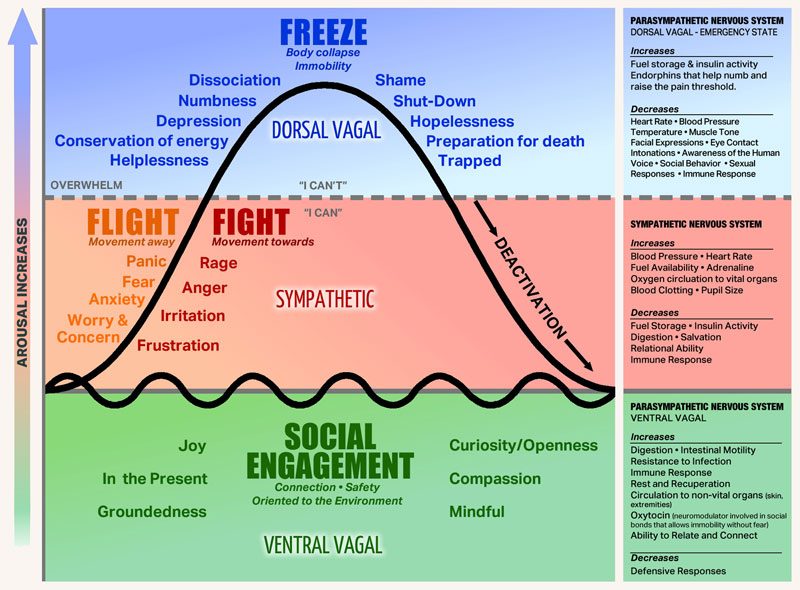
Our brains are wired to look for danger. When that system becomes overactive, it can lead to:
- Constant worry about the future
- Replaying past conversations or situations
- Assuming worst-case scenarios
- Physical anxiety symptoms like rapid heartbeat or tightness in the chest
- Avoiding situations that feel uncomfortable or uncertain
These responses are not a personal failure—they are learned patterns that your brain has developed over time.
 Avoidance and Thought Patterns Can Keep You Stuck…
One of the biggest challenges with anxiety is the cycle it creates. When something feels uncomfortable or scary, it’s natural to avoid it. While avoidance may bring temporary relief, it often strengthens fear over time.
This can lead to a more restricted life—fewer risks, fewer opportunities, and more time spent in your own thoughts.
Many people also become “tangled” in their thinking, unable to separate facts from fears or assumptions. Without the right tools, it can feel impossible to interrupt these patterns.
The encouraging part is that these patterns can be changed. With a structured and supportive approach, you can learn how to challenge unhelpful thoughts and respond to situations in a more balanced way.
Cognitive Behavioral Therapy Can Help You Change The Way You Think and Feel…
At Niyama Center, we use Cognitive Behavioral Therapy (CBT) to help clients identify and change unhelpful thought patterns and behaviors.
CBT is a structured, evidence-based approach that focuses on the connection between thoughts, emotions, and actions. Instead of feeling stuck in endless cycles of thinking, CBT provides direction and clarity—helping you work through challenges step-by-step.
We focus on specific problems and goals, allowing therapy to feel purposeful and effective rather than open-ended or overwhelming.
What To Expect in Cognitive Behavioral Therapy Sessions…
CBT sessions are active, collaborative, and focused. A typical session may include:
- Checking in on your week and current challenges
- Reviewing any skills or exercises from the previous session
- Identifying specific thoughts, emotions, and behaviors
- Breaking down situations to understand patterns
- Developing practical strategies to respond differently
Together, we work to “slow down” your thoughts and examine them more clearly. This helps distinguish between facts and assumptions, allowing you to build a more balanced and realistic perspective.
Give us a call today, and let’s talk about how CBT, DBT, EFT, or EMDR Therapy can help: (248) 962-3329.
Contact Us
 Building Skills Outside of Session…
CBT doesn’t stop when the session ends. Between sessions, we provide practical exercises and “homework” to help you apply what you’ve learned in real life.
This may include practicing coping strategies, tracking thoughts, or trying new ways of responding to situations. We always review these exercises together to ensure they feel manageable and helpful.
This ongoing practice is what creates real change—allowing you to build confidence and see measurable progress over time.
Facing Fears and Reducing Avoidance…
Avoidance can keep anxiety going. In CBT, we gently work on facing fears in a gradual and supported way. Through techniques like exposure, we help your brain learn that situations, thoughts, or feelings are not as dangerous as they may seem. Over time, this reduces fear and increases your ability to handle challenges.
While this process can feel uncomfortable at times, it is one of the most effective ways to create lasting relief from anxiety.
At Niyama Center, our clinicians provide guidance, structure, and support throughout this process—helping you build skills that lead to meaningful, long-term change
 Common Questions About Cognitive Behavioral Therapy (CBT)
Will this just feel like more thinking and analyzing?
CBT is focused and structured, not endless overanalyzing. The goal is to help you untangle your thoughts, not stay stuck in them. Sessions are designed to create clarity, direction, and actionable steps forward.
Do I have to do homework?
Practice between sessions is an important part of CBT because it helps reinforce new skills in your everyday life. We work collaboratively to ensure exercises feel realistic and manageable so you can actually follow through.
What if facing my fears feels too overwhelming?
This is completely normal. We move at a pace that feels safe and manageable. Exposure is gradual and supported, helping you build confidence step-by-step rather than feeling thrown into overwhelming situations.
Reach Out to Niyama Center Today
You don’t have to stay stuck in cycles of overthinking, anxiety, or self-doubt.
At Niyama Center, we help clients build practical tools to challenge negative thinking, face fears, and create lasting change. With structure, support, and consistency, it is possible to feel more in control of your thoughts and your life.
We offer an intake session so you can learn more about our approach and see if CBT is the right fit for you.
Reach out today to take the first step toward a calmer, more balanced mindset.
If you are ready to gain a new healing tool, give us a call: (248) 962-3329.
This location is currently providing telehealth services only
28475 Greenfield Rd, Southfield, MI 48076
This location is currently providing telehealth services only
1320 N Campbell Rd Suite 6, Royal Oak, MI 48067
Providing in-person services at our Birmingham location
199 W Brown Street ste 200, Birmingham, MI 48009