Polyvagal Therapy
 Polyvagal Therapy
Do You Feel Stuck in Anxiety, Shutdown, or Emotional overwhelm?
Do you find yourself constantly on edge, as if your body can’t relax no matter how hard you try?
Do you shut down, feel numb, or disconnect when things become too overwhelming?
Are you reacting in ways that don’t make sense to you—like snapping, withdrawing, or freezing?
For many people, these responses can feel confusing and frustrating. You may tell yourself to “just calm down” or “stop overreacting,” yet your body doesn’t seem to listen. Even when life looks okay on the outside, internally it can feel like you’re stuck in a loop of anxiety, stress, or emotional disconnection.
These patterns are not a lack of willpower—they are nervous system responses.
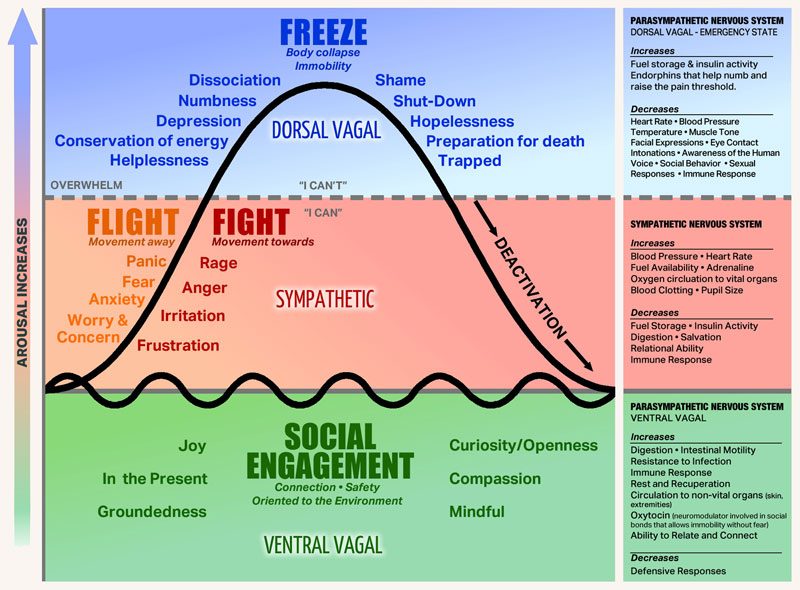
When the nervous system is overwhelmed, it can get stuck in survival states like fight, flight, or freeze. This can impact how you think, feel, relate to others, and move through daily life. Over time, this may show up as chronic anxiety, burnout, relationship struggles, or a persistent sense of being unsafe in your own body.
The encouraging part is this: these patterns can change. With the right support, your nervous system can learn how to feel safer, more regulated, and more balanced again.
Your Nervous System Is Not Broken, It’s Protecting You…
Why You May Feel Stuck in Survival Mode…
If you’ve been feeling overwhelmed, reactive, or shut down, you are not alone. Many people live in a near-constant state of stress without realizing how much their nervous system is carrying.
Our bodies are wired to protect us. When something feels unsafe—whether it’s a past experience, ongoing stress, or emotional overwhelm—our nervous system automatically shifts into survival mode. This can look like:
- Anxiety, racing thoughts, or hypervigilance
- Irritability, anger, or feeling easily triggered
- Emotional numbness or disconnection
- Difficulty concentrating or feeling present
- Avoidance of people, places, or situations
These responses are not random—they are adaptive. At some point, your system learned these patterns as a way to keep you safe.
Have any questions? Send us a message!
 The Impact of Chronic Stress and Trauma…
Over time, chronic stress or unresolved experiences can keep the nervous system “stuck,” even when the original threat is no longer present. This can make it difficult to relax, trust others, or feel grounded.
Many clients come in feeling frustrated with themselves, wondering why they can’t just “move on” or “get it together.” The reality is, healing doesn’t happen through logic alone—it happens through the body.
The good news is that the nervous system is capable of change. With the right therapeutic approach, it can learn new patterns of safety, connection, and regulation.
 Polyvagal And Nervous System Work Makes You Feel Safer, Calmer, and More Connected…
At Niyama Center, we use Polyvagal-informed therapy to help clients understand and regulate their nervous system. Rather than focusing only on thoughts, this approach works with the body to create lasting change.
Polyvagal Therapy is based on the understanding that your nervous system shapes how you experience the world. When your system feels safe, you are more able to connect, think clearly, and respond rather than react. When it feels unsafe, survival responses take over.
In therapy, we help you begin to notice and understand your unique nervous system patterns. From there, we introduce practical, effective tools to support regulation and resilience.
What Sessions May Look Like…
Sessions are collaborative, supportive, and tailored to your needs. Depending on your goals, therapy may include:
- Learning how your nervous system responds to stress and triggers
- Identifying patterns of fight, flight, freeze, or shutdown by mapping out your nervous system and gaining new tools
- Developing body-based tools to regulate emotions
- Practicing grounding, breathwork, and awareness techniques
- Building a greater sense of safety within yourself and in relationships
We move at a pace that feels manageable. The goal is not to overwhelm you, but to gently expand your capacity to feel and stay present.

How This Approach Creates Lasting Change…
Polyvagal Therapy helps address the root of many common struggles—not just the symptoms. For example:
- Anxiety becomes more manageable as your body learns how to settle
- Emotional shutdown begins to shift as safety increases
- Reactivity decreases as regulation improves
- Relationships feel easier as connection becomes more accessible
Rather than forcing change, this approach works with your nervous system to create it.
At Niyama Center, our clinicians are trained in trauma-informed, evidence-based approaches and integrate Polyvagal principles into care. We focus on creating a safe, attuned environment where meaningful healing can occur.
Give us a call today, and let’s talk about how Polyvagal Therapy can help: (248) 962-3329.
 Common Questions About Polyvagal Therapy…
What if I don’t feel connected to my body?
This is very common, especially for individuals who have experienced stress or trauma. Therapy gently builds awareness over time, without pressure. You won’t be expected to feel or do anything you’re not ready for.
How is this different from traditional talk therapy?
Traditional therapy often focuses on thoughts and insight. Polyvagal Therapy includes that, but also works directly with the nervous system. This allows for deeper, more lasting change—especially for anxiety, trauma, and emotional regulation.
How long does it take to see results?
Some clients notice small shifts early on, such as feeling slightly calmer or more aware. Deeper nervous system regulation takes time and consistency, but the changes are often more sustainable because they are rooted in the body.
Reach Out to Niyama Center Today
You don’t have to stay stuck in patterns of anxiety, overwhelm, or disconnection.
At Niyama Center, we are here to help you feel more grounded, more in control, and more connected to yourself and others. Healing your nervous system can open the door to a calmer, more balanced way of living.
We offer an intake session so you can learn more about our approach and see if it feels like the right fit.
Reach out today to get started.
If you are ready to gain a new healing tool, give us a call: (248) 962-3329.
This location is currently providing telehealth services only
28475 Greenfield Rd, Southfield, MI 48076
This location is currently providing telehealth services only
1320 N Campbell Rd Suite 6, Royal Oak, MI 48067
Providing in-person services at our Bloomfield Hills location
40950 Woodward Avenue, Suite 135, Bloomfield Hills, MI 48304